
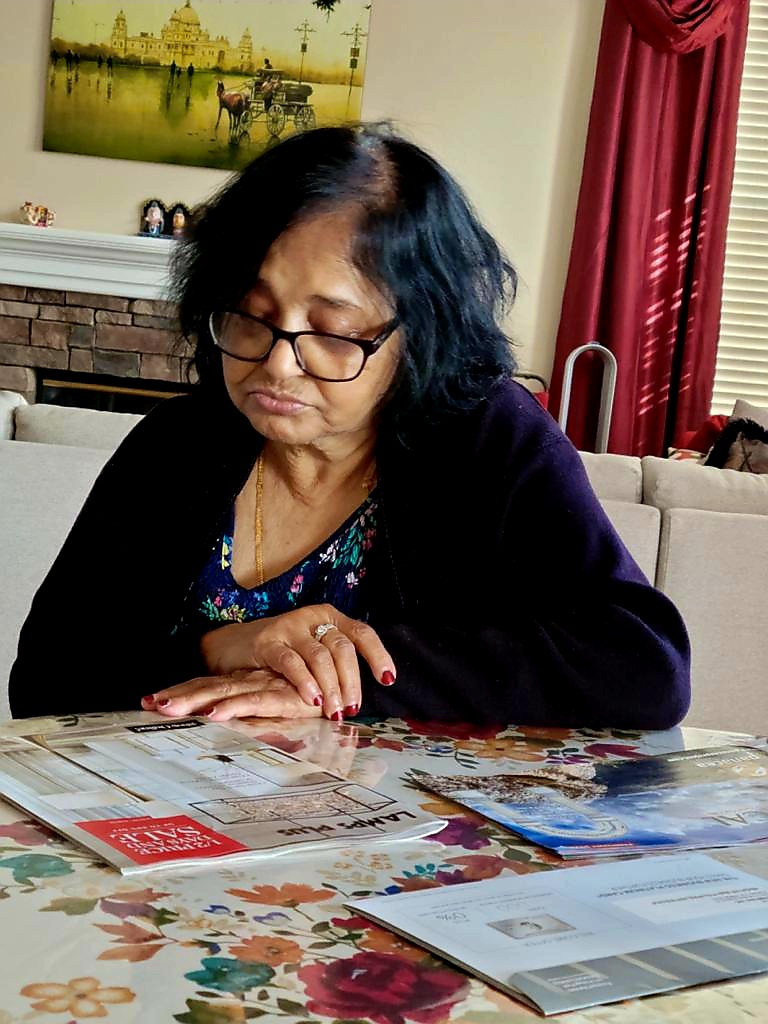
Ensuring Safety & Dignity in Elderly Care: A Thoughtful Approach to Healthy Aging
Ensuring Safety & Dignity in Elderly Care
Aging is a natural phase of life, and with it comes the need for extra care, understanding, and support. For seniors, care is not only about medical assistance or daily help—it is equally about feeling safe, respected, and valued. Ensuring safety while preserving dignity forms the foundation of quality elderly care, helping seniors live with confidence, independence, and emotional well-being.
Understanding the Importance of Safety in Elderly Care
As people grow older, physical challenges such as reduced mobility, weaker vision, and balance issues increase the risk of falls and injuries. Creating a safe environment is crucial to prevent accidents and promote peace of mind. Simple measures like installing handrails, non-slip flooring, proper lighting, and emergency alert systems can significantly enhance daily safety.
Beyond physical safety, regular health monitoring, timely medication management, and quick access to medical assistance are essential. Proactive care ensures that health concerns are addressed early, reducing complications and hospital visits while making seniors feel protected and supported.
Preserving Dignity Through Respect and Independence
Dignity in elderly care means recognizing seniors as individuals with lifelong experiences, preferences, and emotions. Even when assistance is needed, it should be offered respectfully, allowing seniors to make decisions about their daily routines, personal habits, and lifestyle choices.
Encouraging independence—whether it’s choosing clothes, deciding meal preferences, or participating in activities—helps maintain self-esteem. Caregivers must focus on empowering seniors rather than making them feel dependent, ensuring that help is provided with consent, compassion, and patience.
Compassionate Personal Care with Sensitivity
Daily personal care activities such as bathing, grooming, toileting, and dressing require sensitivity and professionalism. Trained caregivers understand the importance of privacy and emotional comfort while assisting seniors. A gentle, respectful approach builds trust and ensures seniors feel comfortable rather than embarrassed or helpless.
Personalized care plans tailored to individual needs also play a key role. When care routines align with a senior’s habits and preferences, it enhances comfort and reinforces dignity in everyday life.
Emotional Well-Being and Social Connection
Safety and dignity are incomplete without emotional support. Loneliness and isolation are common challenges among the elderly, especially for those living alone. Regular companionship, engaging conversations, and meaningful activities can significantly improve mental health.
Encouraging hobbies, light physical activities, and social interaction fosters joy and purpose. Emotional well-being strengthens confidence, reduces anxiety, and allows seniors to feel respected and valued within their families and communities.
Emergency Preparedness and Family Reassurance
A well-prepared elderly care system includes clear emergency protocols and trained caregivers who can respond promptly during medical or safety emergencies. Quick action not only protects seniors but also gives families reassurance that their loved ones are in safe and capable hands.
Transparent communication between caregivers, seniors, and family members further strengthens trust and ensures everyone is informed and involved in care decisions.
Conclusion
Ensuring safety and dignity in elderly care is about creating an environment where seniors feel protected without losing their independence or self-respect. When care is delivered with empathy, professionalism, and respect, aging becomes a journey of comfort, confidence, and grace.
Choosing the right elder care support means choosing peace of mind—for seniors and their families alike.
If you’re looking for compassionate elder care that prioritizes safety, dignity, and well-being, connect with trusted professionals today and give your loved ones the care they truly deserve.