
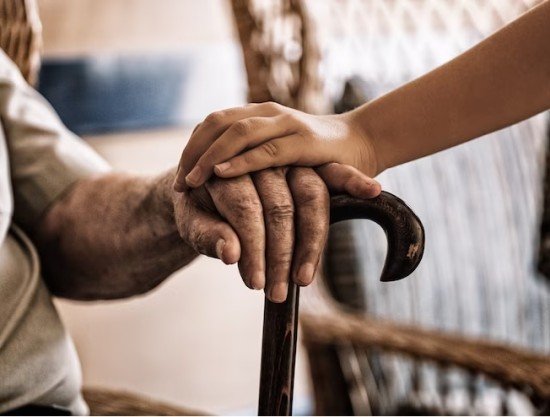
How to Prevent Elderly Parents from Being Hospitalized: 15 Preventive Care Strategies for Seniors at Home
Preventive Care for Elderly at Home
Hospitalization can be physically exhausting and emotionally stressful for elderly people. For families, especially those whose children live in another city or country, an unexpected hospital admission can also create significant practical challenges.
While not every hospitalization can be prevented, many complications can be reduced through early detection, regular health monitoring, medication management, proper nutrition, mobility support, home safety, and timely professional care.
Preventive elder care focuses on identifying risks before they become emergencies and helping seniors maintain their health and independence in the comfort of their own homes.
At Autumn Leaves Care, the approach to senior care combines personalized support, clinical assistance, safety, daily living assistance, and professional caregivers to help seniors maintain a better quality of life at home.
Why Preventive Care Is Important for Elderly Parents
As people age, the risk of chronic health conditions, mobility problems, falls, infections, medication-related complications, and other health concerns can increase.
A small change in health may sometimes become serious if it is ignored for too long.
Preventive care does not mean avoiding hospitals when medical treatment is required. Instead, it means taking sensible steps to identify health concerns early, follow medical advice, and seek professional help before a manageable problem becomes more complicated.
For elderly parents living independently, a consistent preventive-care routine can provide an additional layer of safety.
1. Schedule Regular Health Checkups
Regular health checkups allow healthcare professionals to monitor a senior’s overall condition and identify potential concerns early.
Older adults may need ongoing monitoring for conditions such as:
- High blood pressure
- Diabetes
- Heart disease
- Arthritis
- Respiratory conditions
- Bone and mobility problems
- Other chronic conditions
Families should follow the checkup and screening schedule recommended by the senior’s healthcare professional.
Instead of waiting until a parent develops severe symptoms, regular medical reviews can help identify changes that require attention.
2. Monitor Important Health Parameters at Home
Depending on the individual’s medical needs, regular monitoring at home may help identify changes in health.
Under appropriate medical guidance, families or caregivers may monitor parameters such as:
- Blood pressure
- Blood glucose
- Heart rate
- Oxygen saturation
- Temperature
- Weight
The purpose of monitoring is not to diagnose a condition independently. It is to maintain useful information that can be shared with healthcare professionals when needed.
Autumn Leaves Care provides clinical support that includes regular checkups, medication management, chronic-condition support, doctor visits, and other healthcare assistance for seniors.
3. Pay Attention to Small Changes in Health
One of the most important preventive-care habits is noticing changes in a senior’s normal behaviour.
Potential warning signs can include:
- Unusual weakness
- Reduced appetite
- Increased confusion
- Difficulty walking
- Changes in sleep
- Sudden mood changes
- Reduced interest in normal activities
- Unexplained weight changes
- Increasing difficulty with everyday tasks
A single change does not necessarily indicate a serious illness. However, sudden, persistent, or concerning changes should be discussed with an appropriate healthcare professional.
4. Follow the Prescribed Medication Routine
Medication management is particularly important for seniors who take several medicines.
Missed doses, incorrect timing, accidental duplication, or confusion about prescriptions can create unnecessary health risks.
Families should maintain an updated medication record containing:
- Medicine name
- Dosage
- Timing
- Prescribing doctor
- Instructions
- Refill requirements
Caregivers can provide medication reminders and assistance where appropriate.
Medicines should never be stopped, started, or changed without advice from the prescribing healthcare professional.
Autumn Leaves Care’s clinical support includes medication management and assistance with treatment for chronic conditions under proper medical guidance.
5. Manage Chronic Health Conditions Consistently
Many elderly people live with long-term conditions that require continuous management.
Examples include:
- Diabetes
- Hypertension
- Heart disease
- Respiratory conditions
- Arthritis
- Other age-related chronic conditions
Preventive care involves following the treatment plan recommended by healthcare professionals, attending follow-up appointments, monitoring relevant health parameters, and reporting significant changes promptly.
Consistency is often more effective than waiting for symptoms to become severe before taking action.
6. Prevent Falls Inside the Home
Falls are a major concern for older adults and can result in fractures, head injuries, loss of mobility, and hospitalization.
Families should regularly inspect the home for potential hazards.
Important measures include:
- Removing loose rugs
- Keeping floors dry
- Improving lighting
- Keeping pathways clear
- Installing suitable grab bars
- Adding support around stairs
- Keeping frequently used items within easy reach
- Using appropriate mobility aids when recommended
Bathrooms, stairs, bedrooms, and corridors deserve particular attention.
Autumn Leaves Care’s home-safety support includes identifying hazards, bathroom safety measures, fall-prevention solutions, emergency-contact planning, and recommendations for appropriate home modifications.
7. Encourage Safe Physical Activity
Regular physical activity can help seniors maintain mobility, strength, balance, and independence.
However, exercise should be suitable for the person’s age, physical condition, mobility, and medical requirements.
Depending on the senior’s condition, appropriate activities may include:
- Walking
- Gentle stretching
- Balance exercises
- Mobility exercises
- Doctor- or physiotherapist-recommended exercises
Seniors recovering from surgery, injury, stroke, or other conditions may require professional guidance before starting an exercise routine.
The goal is to encourage safe movement rather than pushing an elderly person beyond their physical limitations.
8. Maintain Proper Nutrition and Hydration
Nutrition and hydration play an important role in healthy aging.
Older adults may sometimes eat or drink less because of reduced appetite, difficulty preparing food, medication effects, mobility limitations, or other factors.
Families and caregivers should pay attention to:
- Regular meals
- Appropriate fluid intake
- Adequate protein and nutrients
- Dietary restrictions
- Sudden changes in appetite
- Difficulty chewing or swallowing
If a senior has a condition that requires specific dietary or fluid restrictions, such as kidney or heart problems, the diet should be planned according to medical advice.
9. Encourage a Healthy Sleep Routine
Poor sleep can affect a senior’s energy, mood, concentration, and daily functioning.
Families should encourage a consistent sleep schedule and pay attention to significant or persistent changes such as:
- Difficulty sleeping
- Frequent waking
- Excessive daytime sleepiness
- Major changes in sleep patterns
If sleep problems continue or occur alongside other concerning symptoms, professional medical advice should be sought.
A comfortable, quiet, and safe bedroom environment can also support better rest.
10. Keep Preventive Healthcare Up to Date
Preventive healthcare involves more than treating existing illnesses.
Depending on age, medical history, risk factors, and professional recommendations, seniors may need appropriate:
- Health screenings
- Vaccinations
- Blood tests
- Vision and hearing assessments
- Dental checkups
- Chronic disease reviews
Families should maintain a simple record of important medical appointments and screening results.
The exact schedule should always be determined by the senior’s healthcare professional.
11. Take Emotional and Social Well-Being Seriously
Preventive care is not limited to physical health.
Loneliness and social isolation can affect a senior’s overall well-being and quality of life.
Regular interaction can help seniors remain engaged and connected.
Families can encourage:
- Regular family calls
- Visits from relatives and friends
- Hobbies
- Social activities
- Outdoor activities where appropriate
- Companionship
- Meaningful daily routines
Autumn Leaves Care offers companion care for seniors who may be living alone or experiencing loneliness and provides assistance with daily activities, meal preparation, errands, and social interaction.
12. Keep Medical Information Organized
During an emergency, important medical information should be available without unnecessary delay.
Families should maintain an organized record of:
- Medical history
- Current medications
- Allergies
- Doctor details
- Recent reports
- Previous surgeries
- Emergency contacts
- Insurance information
For families living away from their elderly parents, keeping digital copies can make access easier.
A trusted caregiver or family member should also know where important documents are stored.
13. Arrange Professional Home Care When Necessary
Some seniors remain largely independent but need assistance with certain activities.
Professional home care may be useful when an elderly parent needs support with:
- Personal care
- Mobility
- Daily activities
- Medication reminders
- Health monitoring
- Doctor appointments
- Household tasks
- Companionship
- Recovery after illness
Autumn Leaves Care provides professional caregivers and personalized support for both medical and non-medical needs, helping seniors maintain independence while receiving appropriate assistance at home.
14. Create an Emergency Response Plan
Preventive care cannot eliminate every emergency.
Families should therefore have a clear emergency plan ready before something happens.
The plan should include:
- Emergency contact numbers
- Nearby hospital information
- Doctor’s contact details
- Family contacts
- Caregiver contacts
- Important medical information
- Medication details
- Transportation arrangements
Everyone involved in the senior’s care should know what to do if an urgent situation occurs.
Autumn Leaves Care provides 24/7 emergency services and supports seniors during urgent situations, helping families arrange appropriate assistance when required.
15. Give Extra Attention After Hospital Discharge
Preventive care becomes particularly important after a senior returns home from the hospital.
The recovery period may involve:
- Medication management
- Follow-up appointments
- Mobility assistance
- Wound care
- Physiotherapy
- Nutrition support
- Regular monitoring
- Help with daily activities
Families should follow the discharge instructions provided by the healthcare team and seek medical advice if new or worsening symptoms appear.
Professional home support can make the transition from hospital to home more manageable for both seniors and their families.
Autumn Leaves Care’s clinical support includes hospitalization assistance, medicine delivery, doctor and healthcare professional home visits, and related care coordination.
How Can Families Reduce Hospitalization Risks for Seniors?
Preventive elder care works best when different areas of a senior’s life are considered together.
A practical approach includes:
- Regular medical checkups
- Consistent medication management
- Health monitoring
- Fall prevention
- Appropriate physical activity
- Proper nutrition
- Adequate hydration
- Good sleep
- Emotional support
- Safe home surroundings
- Organized medical records
- Timely professional care
The objective is not to treat every health issue at home. The objective is to recognize risks early and make sure the senior receives appropriate care at the right time.
When Should You Consider Professional Elder Care?
Families may consider professional elder care when a senior begins struggling with everyday activities or requires more consistent monitoring.
Some signs include:
- Difficulty bathing or dressing
- Frequent medication mistakes
- Mobility difficulties
- Repeated falls
- Increasing forgetfulness
- Difficulty preparing meals
- Frequent medical appointments
- Recovery after hospitalization
- Living alone without reliable support
- Increasing dependence on family members
Autumn Leaves Care offers a range of services including elder care, companion care, clinical support, medical equipment, home safety assistance, non-medical support, dementia care, and 24-hour emergency services.
How Autumn Leaves Care Supports Preventive Elder Care
Preventive care is easier when seniors have reliable support around them.
Autumn Leaves Care focuses on helping older adults maintain independence, dignity, safety, and quality of life through personalized clinical and non-clinical services.
Depending on individual needs, support can include:
- Professional caregivers
- Clinical support
- Medication management
- Doctor home visits
- Health checkups
- Companion care
- Home-safety assistance
- Medical equipment
- Non-medical assistance
- Dementia and Alzheimer’s care
- Emergency services
This combination allows families to create a more consistent support system for elderly loved ones.
A Simple Preventive Care Routine for Seniors at Home
A simple routine can make preventive care easier to manage.
Daily
- Check how the senior is feeling
- Follow the prescribed medication schedule
- Maintain appropriate meals and hydration
- Encourage safe movement
- Observe any unusual changes
Weekly
- Review upcoming appointments
- Check medication supplies
- Review mobility and activity
- Check the home for new safety hazards
- Spend meaningful time with the senior
Regularly
- Attend recommended medical checkups
- Review chronic conditions
- Update medical records
- Review emergency contacts
- Reassess the senior’s care requirements
The routine should always be personalized according to the senior’s health condition and professional medical advice.
Final Thoughts
Hospitalization cannot always be prevented, and urgent medical treatment should never be delayed when it is necessary. However, proactive elder care can help families identify potential problems earlier and reduce some avoidable risks.
Regular health monitoring, medication management, fall prevention, nutrition, physical activity, emotional support, home safety, and timely professional assistance can help seniors remain healthier and more independent at home.
For families caring for elderly parents in Kolkata, having reliable professional support can make preventive care easier to manage.
Autumn Leaves Care provides personalized elder-care and senior home-care services designed around the individual needs of older adults. With clinical support, professional caregivers, companion care, home-safety assistance, medical equipment, and 24/7 emergency services, families can provide their loved ones with dependable support while helping them age with dignity.
Need Professional Preventive Care for Your Elderly Parents?
Don’t wait until a small concern becomes a major emergency.
Contact Autumn Leaves Care today to discuss personalized elder-care and home-care support for your loved one.
Better Care. Better Living.