
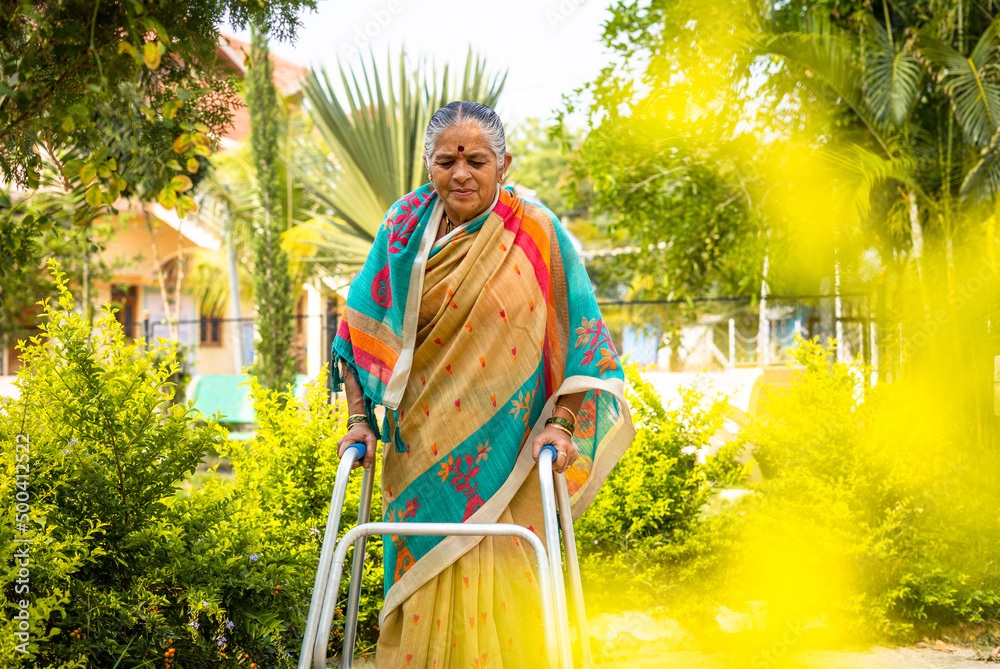
What Happens When Elder Care Is Ignored? The Silent Progression of Neglected Aging
Effects of Neglecting Elder Care
Aging is a natural process, but when proper elder care is delayed or ignored, small issues can quietly turn into serious health, emotional, and safety crises. Many families do not realize the consequences until a medical emergency or sudden decline forces them to act.
At Autumn Leaves Care, we believe understanding this progression is the first step toward prevention, dignity, and better quality of life for seniors.
Stage 1: Early Signs That Are Often Overlooked
In the beginning, the signs are subtle and often mistaken for normal aging.
- Mild forgetfulness (missed medicines, repeated questions)
- Reduced interest in hobbies or social interaction
- Slight imbalance or weakness
- Irregular eating habits
- Mood changes or irritability
At this stage, families usually assume: “It’s nothing serious.”
But this is where early elder care support can make the biggest difference.
Stage 2: Functional Decline Begins
When care is not introduced, daily living starts becoming difficult.
- Trouble managing personal hygiene
- Forgetting meals or skipping nutrition
- Difficulty in cooking or household tasks
- Increased dependence on family members
- Early signs of confusion or disorientation
At this point, seniors begin to lose independence and confidence, even if they try to hide it.
Without structured support, families often feel overwhelmed.
Stage 3: Safety Risks Become Serious
This is the stage where neglect becomes dangerous.
- Increased risk of falls and injuries
- Forgetting to switch off gas or appliances
- Medication mismanagement
- Wandering or getting lost (especially in dementia cases)
- Frequent hospital visits
What was once manageable now becomes a medical and safety emergency risk zone.
Stage 4: Emotional and Psychological Decline
Neglected elder care does not only affect the body—it deeply impacts the mind.
- Loneliness even within family homes
- Depression and anxiety
- Withdrawal from conversations and activities
- Loss of identity or purpose
- Increased aggression or confusion
Seniors may feel like they are becoming a burden, which further worsens emotional health.
Stage 5: Caregiver Burnout and Family Crisis
When professional elder care is not involved, family members become full-time caregivers without training.
- Physical exhaustion
- Emotional stress and guilt
- Work-life imbalance
- Financial pressure due to emergency care
- Family conflicts over responsibility
At this stage, care is no longer just about the senior—it becomes a family-wide crisis.
Stage 6: Emergency-Driven Care (The Most Costly Phase)
Eventually, most families are forced into reactive care:
- Sudden hospitalization
- ICU admissions due to preventable conditions
- Emergency surgeries or complications
- Permanent loss of independence
At this point, care becomes more expensive, stressful, and emotionally painful than preventive support would have been.
How Autumn Leaves Care Helps Prevent This Progression
At Autumn Leaves Care, our approach focuses on early intervention and continuous support, not emergency reactions.
We provide:
- Personalized home care assistance
- Trained elder caregivers
- Medication and health monitoring support
- Dementia and memory care assistance
- Companionship and emotional support
- Emergency response coordination
- Safe living environment support
Our goal is simple: help seniors live with dignity, independence, and safety in their own comfort zone.
Final Thought
Neglecting elder care does not show immediate consequences, but its impact builds slowly over time until it becomes unavoidable.
The good news is that this entire progression is preventable.
With the right support at the right time, families can avoid crises and ensure their loved ones enjoy peaceful, dignified aging.
Need Support for Your Elderly Loved One?
Autumn Leaves Care is here to help you every step of the way with trusted, compassionate elder care services.
Because care delayed is often care complicated, but care started early changes everything.